Nick's Flick Picks: The Blog

Cannes '96, Expert Witness #7: Amir Soltani
I'm guessing many people reading have had the experience at least once of meeting someone in person whom you first admired and got to know over the internet. At this point, it amazes me how many of the important friendships in my life unfolded this way. One of these #blessed storylines in my life—though I wish we got to see each other more often, and not just while cramming in four-to-six movies per day at TIFF—led me to Amir Soltani, a film critic, festival programmer, public lecturer, and podcaster based in Toronto (none of which is even his day job!). Everyone you meet, not just the people you knew first on the web, should turn out to be as kind and intelligent and reflective and big-hearted as Amir. I first met him through his guest columns at The Film Experience and then started lurking at his own blog (newly relocated to this amazingly swank and impressive site). I was really chuffed when he invited me to have a conversation with him and Tina Hassannia about Jafar Panahi at their Hello Cinema headquarters. And I was so proud of and happy for Amir when he and some friends pulled off the first and sure-to-be-annual CineIran Film Festival at Toronto's Lightbox last November.
Like everyone I've spoken to about Cannes '96, Amir is an eager and catholic moviegoer with eclectic favorites. Also, as with everyone else, his tastes sometimes converge with and sometimes depart from mine. This was never clearer to me than last year, when he was one of my most industrious co-conspirators in the Cannes '95 project that preceded and motivated this year's undertaking. I miss having Amir's daily opinions about every movie we're both watching, so I couldn't help polling him about this year's roster. Of course I wanted to know his thoughts about the one major Iranian entry in Cannes '96, but also about the other films floating around the festival. I was curious, too, how his own latter-day experience as a festival coordinator might have changed his orientation toward the movies...
ND: One more round with my standard opening: Secrets & Lies, Fargo, and Breaking the Waves were the early and persistent favorites for the Palme in 1996. Where do your loyalties lie within this distinguished trio?
AS: It's quite rare that the definitive films from any given year's festival emerge so quickly and manage to remain the most acclaimed and widely discussed films so many years on. That this has happened with the above trio only speaks to their quality. Breaking the Waves is my least favourite of the three, though in fairness, it is also the one I haven't seen in the longest while. Perhaps my opinion of it also suffers from my hotand cold relationship with Lars von Trier, who is always making it difficult for me to go back and revisit his older works. On the other hand, Fargo is one of the most re-watchable films of all time. Is it the warm presence of Frances McDormand or the endearing naïveté of William H. Macy that makes such a cold, bloody film so inviting? The Coens have remained two of America's most singular and provocative voices in the two decades since, but they've rarely matched the narrative precision, emotional depth, and quirky humor of this masterpiece.
That being said, I think the jury made the correct call. I don't have the words to describe quite how much I treasure Secrets & Lies, a film that reduces me to a puddle of tears every time I watch it. The conceit of the story might sound too melodramatic and its characters too ordinary on paper, but the final result is a transcendent, personal experience. You can feel the bittersweet history of that photo studio, and breathe the suffocating air of that new house, and cry for all the lost time in that diner.
I can't help wondering if you, as a Torontonian, have thoughts about Cronenberg's Crash and particularly about the chilly, indelible way it frames your adopted home city.
Toronto is usually a substitute on screen for other urban American settings, so to see the city represent itself in films that cross over to the rest of the world is a delight. It also makes Crash doubly terrifying for me. Having driven on those roads at high speeds myself many times, to witness the crash and subsequent chases on the same streets is frightening. In general, a Cronenberg joint is the last place I'd like to imagine myself inhabiting. As for the film itself, I've been notoriously averse to the cinema of this Canadian giant, with the two notable exceptions of The Fly and Dead Ringers. Crash is neither as daring nor as entertaining as those films, and its air of edginess never quite feels authentic to me.
Read more »
Like everyone I've spoken to about Cannes '96, Amir is an eager and catholic moviegoer with eclectic favorites. Also, as with everyone else, his tastes sometimes converge with and sometimes depart from mine. This was never clearer to me than last year, when he was one of my most industrious co-conspirators in the Cannes '95 project that preceded and motivated this year's undertaking. I miss having Amir's daily opinions about every movie we're both watching, so I couldn't help polling him about this year's roster. Of course I wanted to know his thoughts about the one major Iranian entry in Cannes '96, but also about the other films floating around the festival. I was curious, too, how his own latter-day experience as a festival coordinator might have changed his orientation toward the movies...
ND: One more round with my standard opening: Secrets & Lies, Fargo, and Breaking the Waves were the early and persistent favorites for the Palme in 1996. Where do your loyalties lie within this distinguished trio?
AS: It's quite rare that the definitive films from any given year's festival emerge so quickly and manage to remain the most acclaimed and widely discussed films so many years on. That this has happened with the above trio only speaks to their quality. Breaking the Waves is my least favourite of the three, though in fairness, it is also the one I haven't seen in the longest while. Perhaps my opinion of it also suffers from my hotand cold relationship with Lars von Trier, who is always making it difficult for me to go back and revisit his older works. On the other hand, Fargo is one of the most re-watchable films of all time. Is it the warm presence of Frances McDormand or the endearing naïveté of William H. Macy that makes such a cold, bloody film so inviting? The Coens have remained two of America's most singular and provocative voices in the two decades since, but they've rarely matched the narrative precision, emotional depth, and quirky humor of this masterpiece.
That being said, I think the jury made the correct call. I don't have the words to describe quite how much I treasure Secrets & Lies, a film that reduces me to a puddle of tears every time I watch it. The conceit of the story might sound too melodramatic and its characters too ordinary on paper, but the final result is a transcendent, personal experience. You can feel the bittersweet history of that photo studio, and breathe the suffocating air of that new house, and cry for all the lost time in that diner.
I can't help wondering if you, as a Torontonian, have thoughts about Cronenberg's Crash and particularly about the chilly, indelible way it frames your adopted home city.
Toronto is usually a substitute on screen for other urban American settings, so to see the city represent itself in films that cross over to the rest of the world is a delight. It also makes Crash doubly terrifying for me. Having driven on those roads at high speeds myself many times, to witness the crash and subsequent chases on the same streets is frightening. In general, a Cronenberg joint is the last place I'd like to imagine myself inhabiting. As for the film itself, I've been notoriously averse to the cinema of this Canadian giant, with the two notable exceptions of The Fly and Dead Ringers. Crash is neither as daring nor as entertaining as those films, and its air of edginess never quite feels authentic to me.
Read more »
Labels: Blog Buddies, Cannes, Cannes 96, Coens, David Cronenberg, Festivals, Frances McDormand, Iran, Jafar Panahi, Lars von Trier, Mike Leigh, Mohsen Makhmalbaf, Olivier Assayas, TIFF
posted by NicksFlickPicks at 9:30 AM
1 comments


 At noon today, July 2, we will officially hit the midpoint of 2009. As is true for a lot of you, I'm sure, there are contexts in my professional and personal life in which I can barely handle the fact that half of the calendar year has already passed. The prospect of So Much To Get Done, shot through with the horror of Where Does All The Time Go?, can be quite debilitating, so I choose to redirect that energy into a sort of New Year's Eve-ish posture of wistful serenity: Remember This? How About That? Look At Everything We've Done.
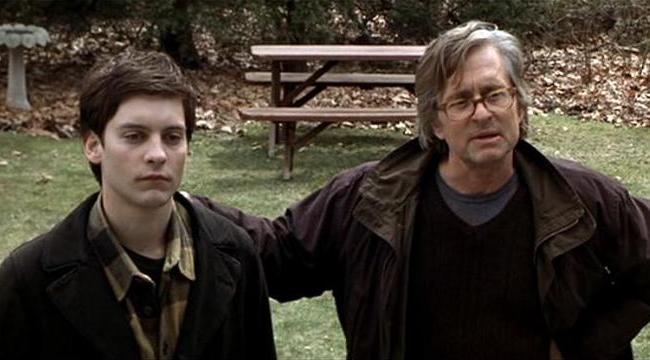 To kick things off, I took a third spin with